
mirror bathroom with light
The Versatility and Importance of Butterfly Valves A Manufacturer's Perspective Butterfly valves have gained prominence in various industries due to their unique design, efficiency, and versatility. As a leading butterfly valves manufacturer, understanding the features and benefits of these valves can guide both potential customers and industry stakeholders in making informed decisions. This article delves into what butterfly valves are, their applications, advantages, and the considerations for manufacturers in producing high-quality valves. What are Butterfly Valves? Butterfly valves are quarter-turn valves that use a circular disc to regulate the flow of liquids or gases through a pipeline. The disc, which is mounted on a rotating shaft, can be turned 90 degrees to either allow or restrict flow. This simple yet effective design makes them suitable for various applications, including water supply, wastewater treatment, chemical processing, and HVAC systems. Applications of Butterfly Valves The versatility of butterfly valves permits their use across a myriad of sectors. In water treatment facilities, for example, they are often employed to control the flow of water through treatment processes. In the oil and gas industry, butterfly valves are essential in regulating the flow of hydrocarbons, making them indispensable in pipeline systems. Additionally, these valves are commonly used in food and beverage processing, where hygiene and efficiency are paramount. Their lightweight structure allows for quick installation, and their compact design is advantageous in systems with space constraints. Advantages of Butterfly Valves 1. Efficiency Butterfly valves require less space than traditional gate or globe valves, making them easier to install in tight spaces. Their design allows for quick operation, providing a more efficient flow control mechanism. 2. Cost-Effectiveness The manufacturing process for butterfly valves is generally less complex, resulting in a more economical product. Their lightweight construction also leads to savings in transportation and installation costs . butterfly valves manufacturer 3. Durability High-quality butterfly valves are designed to withstand extreme temperatures and pressures. Materials such as stainless steel, ductile iron, and various polymers can be employed to enhance resistance to corrosion and wear. 4. Low Maintenance Once installed, butterfly valves typically require minimal maintenance. Their simple design reduces the potential for leaks and mechanical failures, which translates to lower downtime and operational costs. 5. Versatile Design Options Butterfly valves can be customized to suit a variety of operational requirements. Options such as soft seals, metal seats, and various actuation methods (manual, electric, or pneumatic) enhance their adaptability. Considerations for Manufacturers As a manufacturer of butterfly valves, several critical factors must be considered to ensure the production of high-quality products. First, the selection of materials is vital. Using the right materials not only enhances the valve's lifespan but also ensures compatibility with different types of fluids. Second, manufacturers must adhere to industry standards and regulations. Compliance with certifications such as ISO, API, and ANSI guarantees that the valves meet stringent quality and safety criteria. Moreover, investing in advanced manufacturing technologies, such as precision machining and automated assembly, can significantly improve product quality and consistency. Finally, maintaining strong relationships with suppliers and customers allows manufacturers to receive valuable feedback, which can guide product improvements and innovation. Conclusion Butterfly valves represent an essential component in fluid control systems across various industries. Their efficiency, cost-effectiveness, and versatility make them a preferred choice for many applications. As a butterfly valves manufacturer, prioritizing quality, compliance, and innovation is crucial for meeting market demands and ensuring customer satisfaction. By understanding the importance of these valves and their applications, manufacturers can continue to contribute to the advancement of fluid management solutions worldwide.
about
mirror bathroom with light
Understanding Metal Valves Types, Applications, and Importance Metal valves are crucial components in various industries, playing a vital role in the management and control of fluid flow. From simple household plumbing systems to complex industrial applications, metal valves ensure efficiency, safety, and reliability. This article explores the different types of metal valves, their applications, and why they are essential in modern engineering. Types of Metal Valves 1. Gate Valves These are designed to start or stop the flow of fluid with minimal pressure drop. Gate valves use a flat or wedge-shaped gate that lifts from the seat to open the flow. They are predominantly used in oil and gas pipelines, as well as in water treatment plants. 2. Globe Valves Characterized by their spherical body, globe valves are specifically engineered for throttling purposes. They offer better flow control than gate valves and are often found in applications where precise regulation of flow is necessary, such as in chemical processing. 3. Ball Valves With a spherical disc that controls flow, ball valves are known for their durability and excellent sealing capability. They provide a quick shut-off feature, making them ideal for applications that require tight shut-off and quick operation, such as in gas distribution systems. 4. Butterfly Valves These valves use a rotating disc to isolate or regulate flow. They are lightweight and require less space than other valves, making them suitable for applications in large pipelines, water supply systems, and HVAC systems. 5. Check Valves Also known as non-return valves, check valves allow fluid to flow in one direction only. They prevent backflow, ensuring that systems function correctly without leaks. Check valves are commonly used in water systems, sewage systems, and gas piping. Applications of Metal Valves metalvalves Metal valves find applications across a broad spectrum of industries, including - Oil and Gas In this sector, metal valves are critical for transporting crude oil, natural gas, and refined products. They need to withstand high pressures and corrosive environments, making durable metal constructions essential. - Water and Wastewater Treatment Metal valves regulate the flow of water through treatment facilities, ensuring proper chemical dosing and filtration processes. - Chemical Manufacturing In chemical plants, valves control dangerous substances and corrosive chemicals, requiring specific materials like stainless steel to avoid contamination. - Power Generation Metal valves are integral to steam and gas turbines, managing the flow of fluids that drive energy generation processes. Importance of Metal Valves The significance of metal valves cannot be overstated. They contribute to the safety and efficiency of various systems, helping to prevent leaks and catastrophic failures. The choice of material in valve construction—often stainless steel, brass, or cast iron—ensures longevity and resilience against harsh environmental conditions. Moreover, as industries increasingly focus on sustainability, metal valves equipped with advanced technologies and automation are being developed. These innovations enhance performance, reduce energy consumption, and support environmentally friendly operations. In summary, metal valves are indispensable in numerous applications, providing vital control over fluid flow. Their diverse types cater to different needs, ensuring functionality across sectors. As technology progresses, the evolution of metal valves will likely continue, further enhancing their efficiency and sustainability in industrial operations. Whether in everyday plumbing systems or large-scale industrial applications, understanding metal valves helps to appreciate their role in modern infrastructure and process management.
-

High quality industrial productsagement

High quality industrial products
View Details -

Meet the diverse needs of customers

Meet the diverse needs of customers
View Details -

Strict quality control

Strict quality control
View Details -

Top raw materials

Top raw materials
View Details -

Trusted supplier

Trusted supplier
View Details
Our application
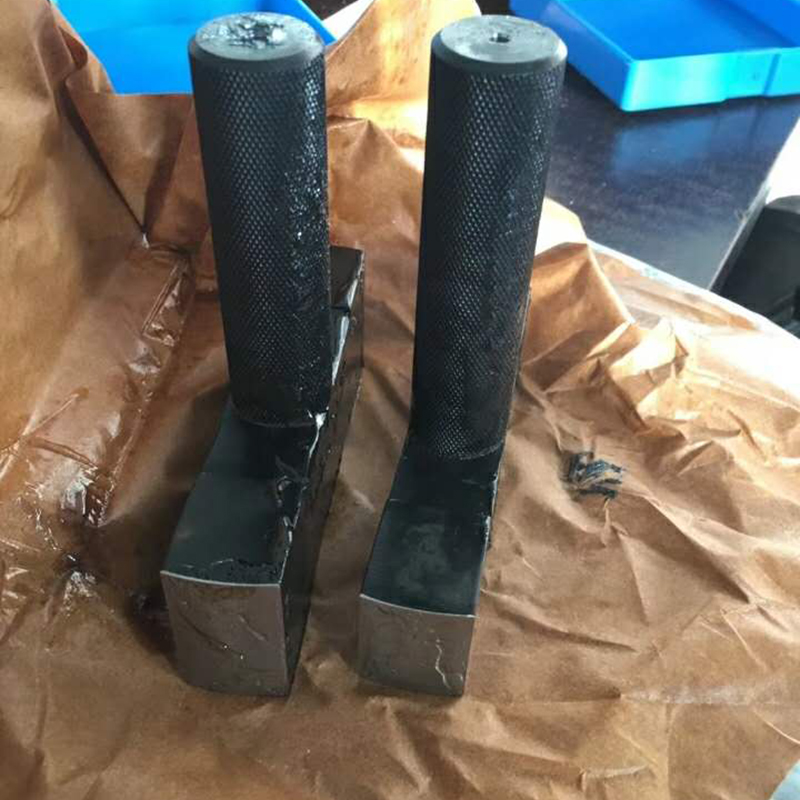
news and information
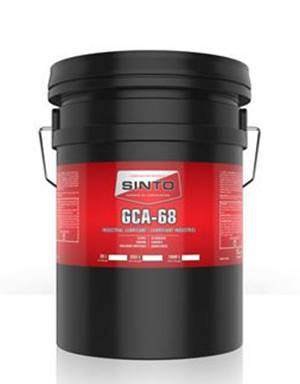
y strainer pn16
Understanding Y-Strainers and Their Importance in PN16 Applications In industrial applications, flui
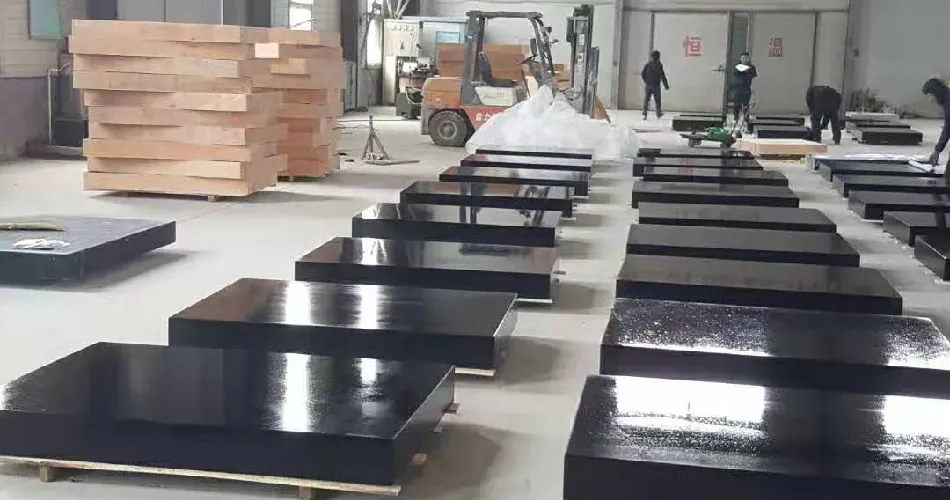
water valves on or off
Understanding Water Valves On or Off Water valves play a crucial role in the distribution and regula

Y-Shaped Strainer for Efficient Liquid Filtration Solutions
y shaped strainer .
 English